All Categories
Featured
Table of Contents
It serves as a direct and unvarnished sign of process quality and resourcefulness. The FPY computation is simple: (Number of systems completed properly on the first pass)/ (Total number of systems entering the procedure).
Business like Intel, which maintain FPY above 99% in intricate semiconductor production, show the power of this metric in achieving exceptional quality and cost control. Executing FPY starts with plainly defining what makes up a "flaw" at each crucial phase of your workflow. This is not restricted to manufacturing; for a law office, a problem might be a contract with mistakes requiring revision.
Don't just track the last FPY. Measure the yield at each specific action of the process. This creates a "Rolled Throughput Yield" (RTY) that provides a more precise photo of end-to-end process health and pinpoints the specific stages where problems are most regularly introduced. Johnson & Johnson carefully tracks FPY in its pharmaceutical manufacturing lines.
A dip in FPY at a specific stage, like tablet coating or product packaging, right away activates an origin analysis to avoid defective products from ever reaching the market. By focusing on FPY, you shift your team's frame of mind from merely repairing problems to preventing them from taking place in the very first place.
Maximizing Cloud Utilization for Better ROI
Labor Performance is an essential functional effectiveness metric that determines the real output generated per unit of labor input. It measures how effectively a service transforms work hours into valuable goods or services, normally expressed as output per worker or output per hour. This metric is a foundation for examining organizational health, comparing efficiency gradually, and benchmarking against market leaders.
is the total hours worked or the number of workers required to produce that output. is the ratio of Output to Labor Input, supplying a clear sign of personnel usage. The core concept, promoted by management thinkers like Frederick Taylor and Peter Drucker, is that methodically enhancing how work is done straight increases value development.
Why Static Budgets Are Failing Modern Hyperscale UsersThis is one of the most direct for service-based companies, consisting of accounting, legal, and not-for-profit organizations. Start by defining a clear and consistent system of output for a particular group or function. For an accounting firm, this might be "income tax return submitted per accounting professional each month." For a law company, it may be "billable hours per paralegal." Consistency is key to tracking patterns precisely.
Why Static Budgets Are Failing Modern Hyperscale UsersEssential Approaches for Optimizing Upcoming IT Budgets
Constantly set labor productivity with a quality metric. Track "customer cases solved per agent" alongside "client satisfaction ratings (CSAT)" to make sure performance gains don't come at the expense of service quality. For circumstances, UPS famously improved driver productivity by over 12% utilizing its route optimization software (ORION) and automobile telematics.
Lots of accounting firms now leverage cloud-based platforms to automate data entry, releasing up specialists to manage more high-value client advisory jobs and thus increasing their total efficiency. By determining and evaluating labor performance, organizations can recognize opportunities to enhance business efficiency through much better procedures, targeted training, or strategic technology adoption.
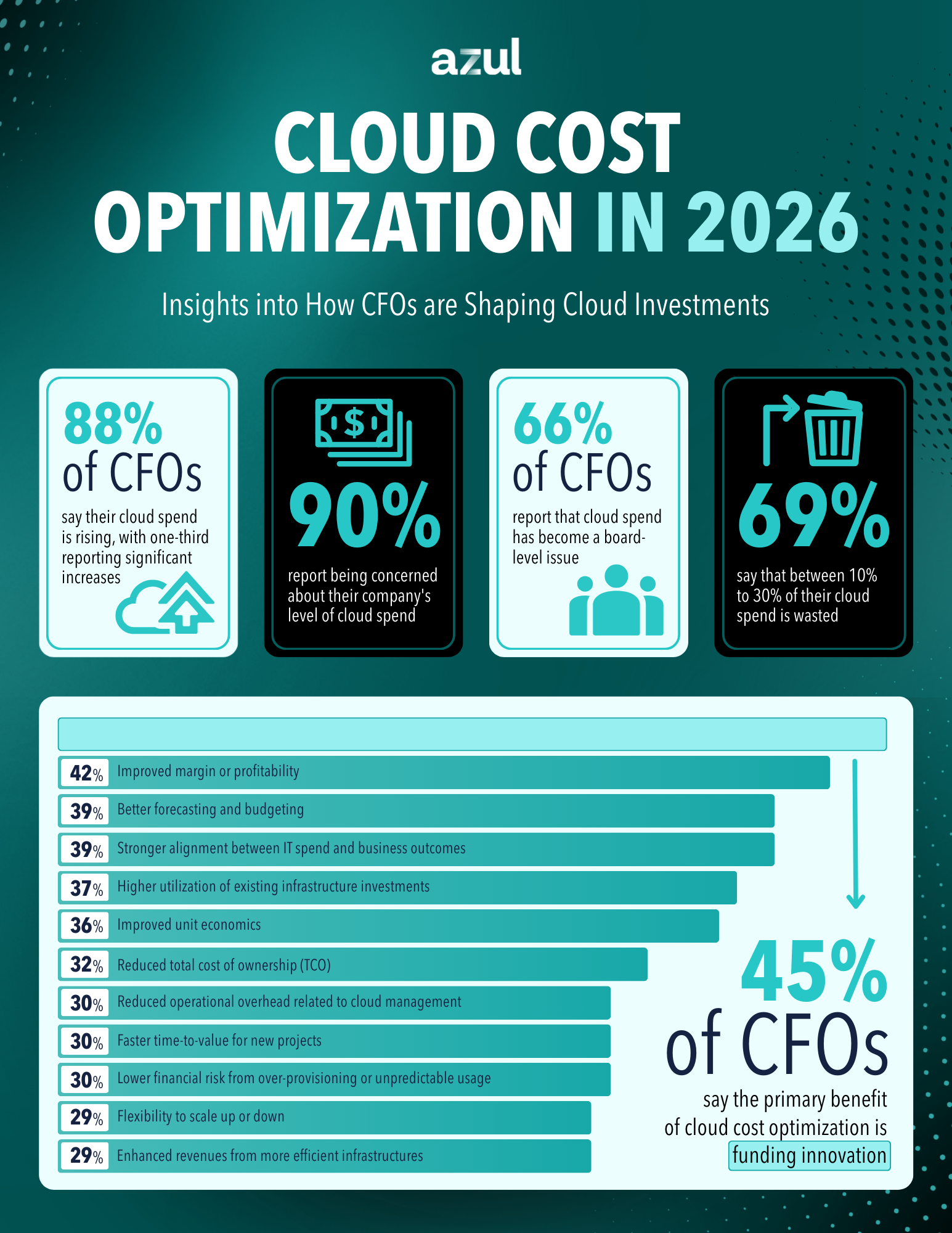
The Asset Utilization Rate is a fundamental metric that measures how successfully a company leverages its properties to produce earnings or worth. This essential performance indicator is among the most direct, examining the proportion of time a possession is actively contributing versus its overall possible capacity. It applies to everything from physical equipment and server racks to software licenses, exposing whether capital expense are providing their anticipated return.
Auditing IT Expenditure Allocation Frameworks
In cloud environments, it tracks the usage of server CPU, memory, or storage against provisioned capacity. In service industries, it can determine billable hours against overall paid hours for specialists or legal experts. The rate is calculated by dividing real use by the maximum possible use (Actual Output/ Optimum Potential Output).
For example, Netflix notoriously re-architected its systems to achieve over 90% server utilization, drastically lowering waste in its massive cloud infrastructure through predictive auto-scaling. Begin by cataloging your most significant capital properties, both physical and digital. For a small company, this might be a single delivery lorry or its main application server.
Pushing assets to their outright limitation without breaks often leads to premature failure and more expensive, unexpected outages. Southwest Airlines provides a traditional example, consistently maintaining over 11 flight hours per aircraft daily, well above the industry average of 8-9 hours.

Latest Posts
Establishing Scalable Cost Governance
Improving Cloud Governance for Budgetary Efficiency
Improving Infrastructure Asset Performance and ROI